July 7, 2026
With more homeowners looking for ways to improve patios, decks, and outdoor living areas, a retractable awning has become a popular option. This shade solution can make outdoor spaces more comfortable while helping protect furniture, windows, and entryways from harsh sunlight. When chosen carefully, it can also support energy savings and add visual appeal to the home.
Benefits of Outdoor Shade Systems
Enhanced Outdoor Living Spaces
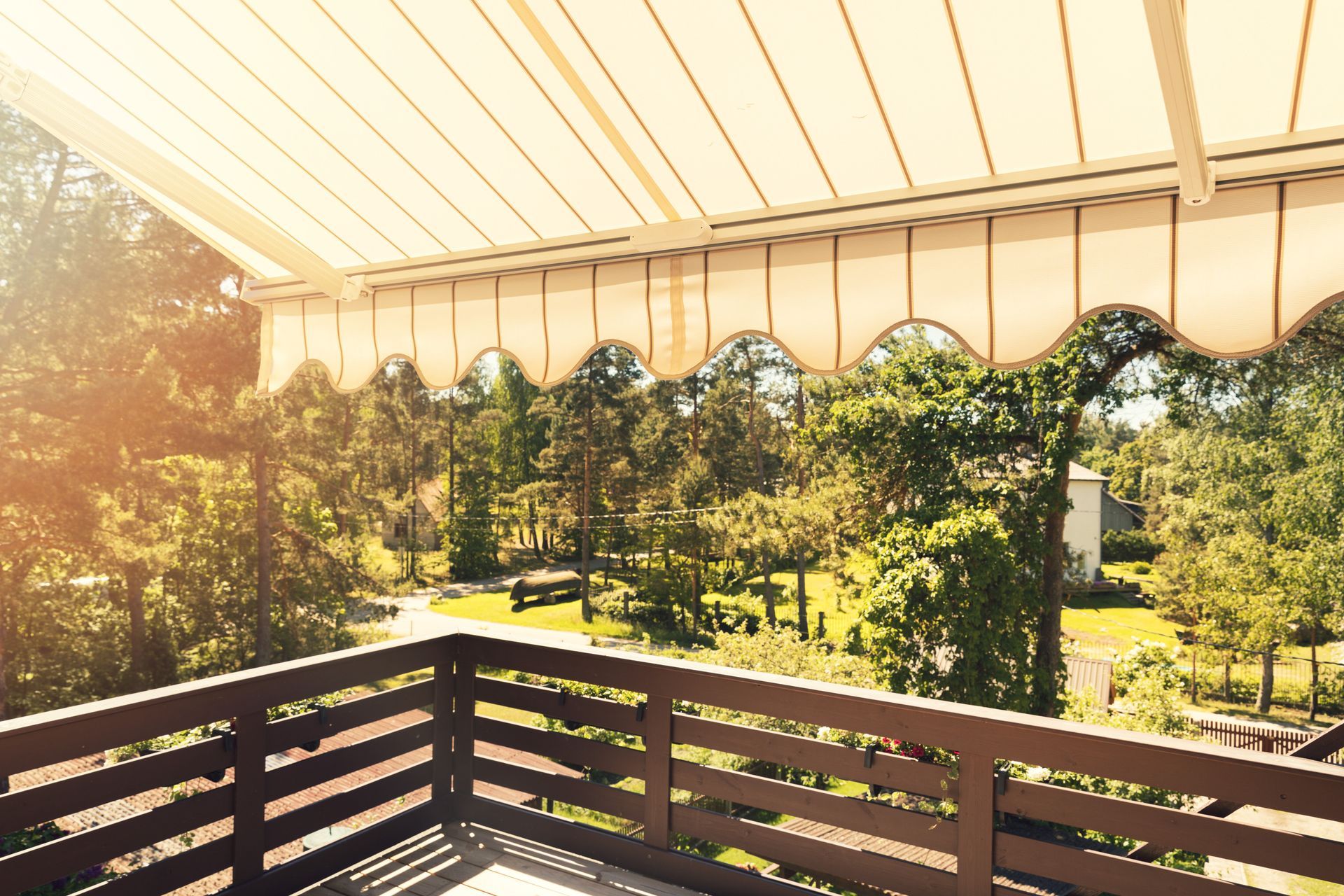
A retractable awning can transform a patio or deck into a more useful extension of the home. It creates a shaded setting for dining, relaxing, entertaining, or spending time with family during warmer months. Because it can be opened or closed as needed, homeowners can enjoy more control over how much sun reaches the space.
Energy Efficiency
One major benefit of a retractable awning is its ability to reduce direct sunlight around windows and outdoor seating areas. According to the U.S. Department of Energy, window awnings can reduce solar heat gain in the summer by up to 65% on south-facing windows and 77% on west-facing windows. By lowering heat gain, this type of shade feature may reduce the strain on air conditioning systems and help control cooling costs.
Versatility and Control
The flexibility of a retractable awning makes it useful in changing weather and lighting conditions. Homeowners can extend it during bright afternoons, pull it back when they want more natural light, or close it before strong winds arrive. Motorized models can make this process even easier by allowing remote control, timers, or weather-sensor operation.
Protection From the Elements
A retractable awning can also help shield outdoor furniture, rugs, cushions, and decor from sun exposure and light rain. This added protection may reduce fading, staining, and premature wear on outdoor materials. It can also make the space more comfortable by limiting direct UV exposure during outdoor activities.
Aesthetic Appeal
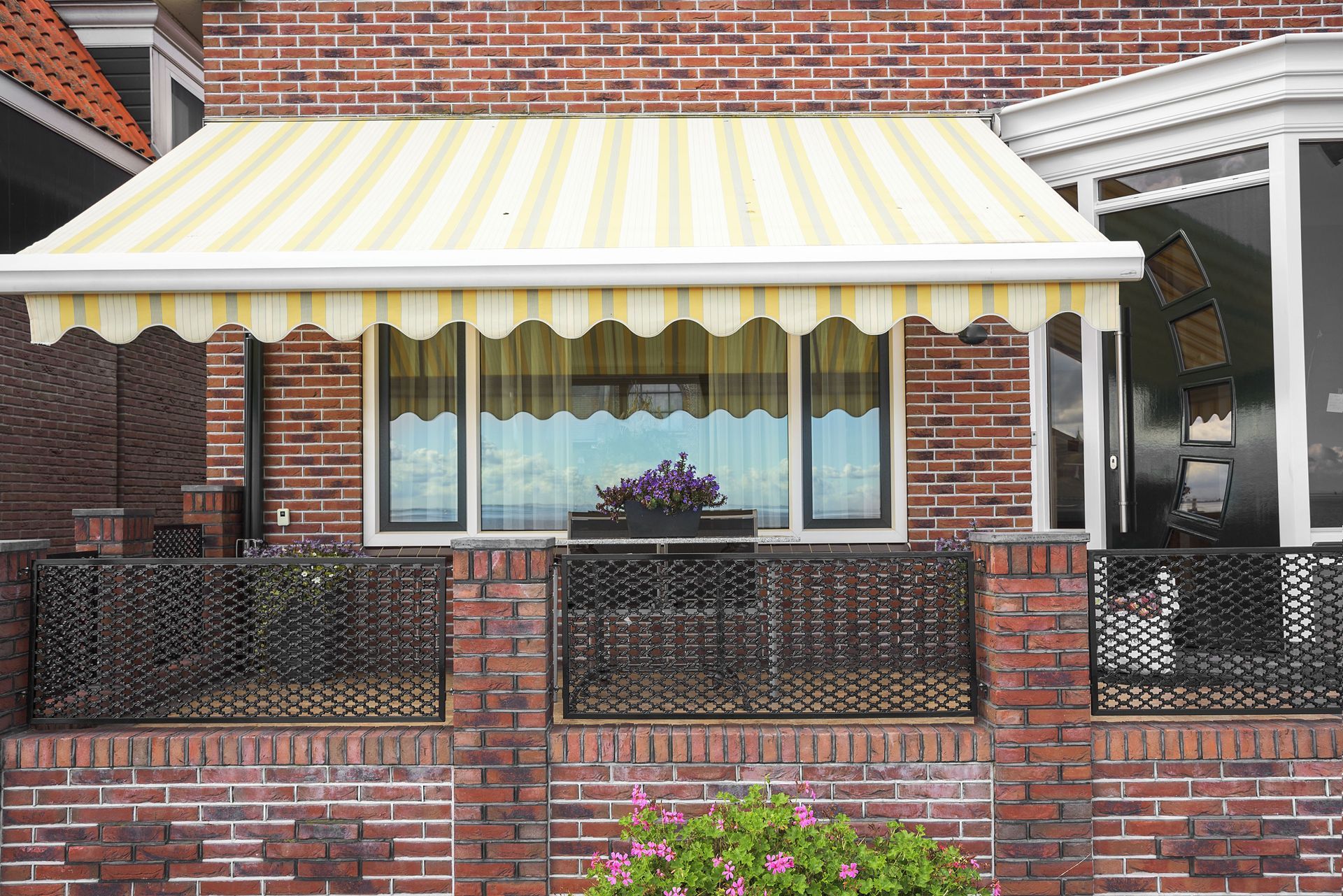
The right retractable awning can add color, dimension, and character to a home’s exterior. Fabric options, frame styles, and mounting choices make it possible to coordinate the shade system with the home’s architecture. A well-selected design can improve curb appeal while still providing practical coverage.
Types of Outdoor Awning Options
Manual vs. Motorized Models
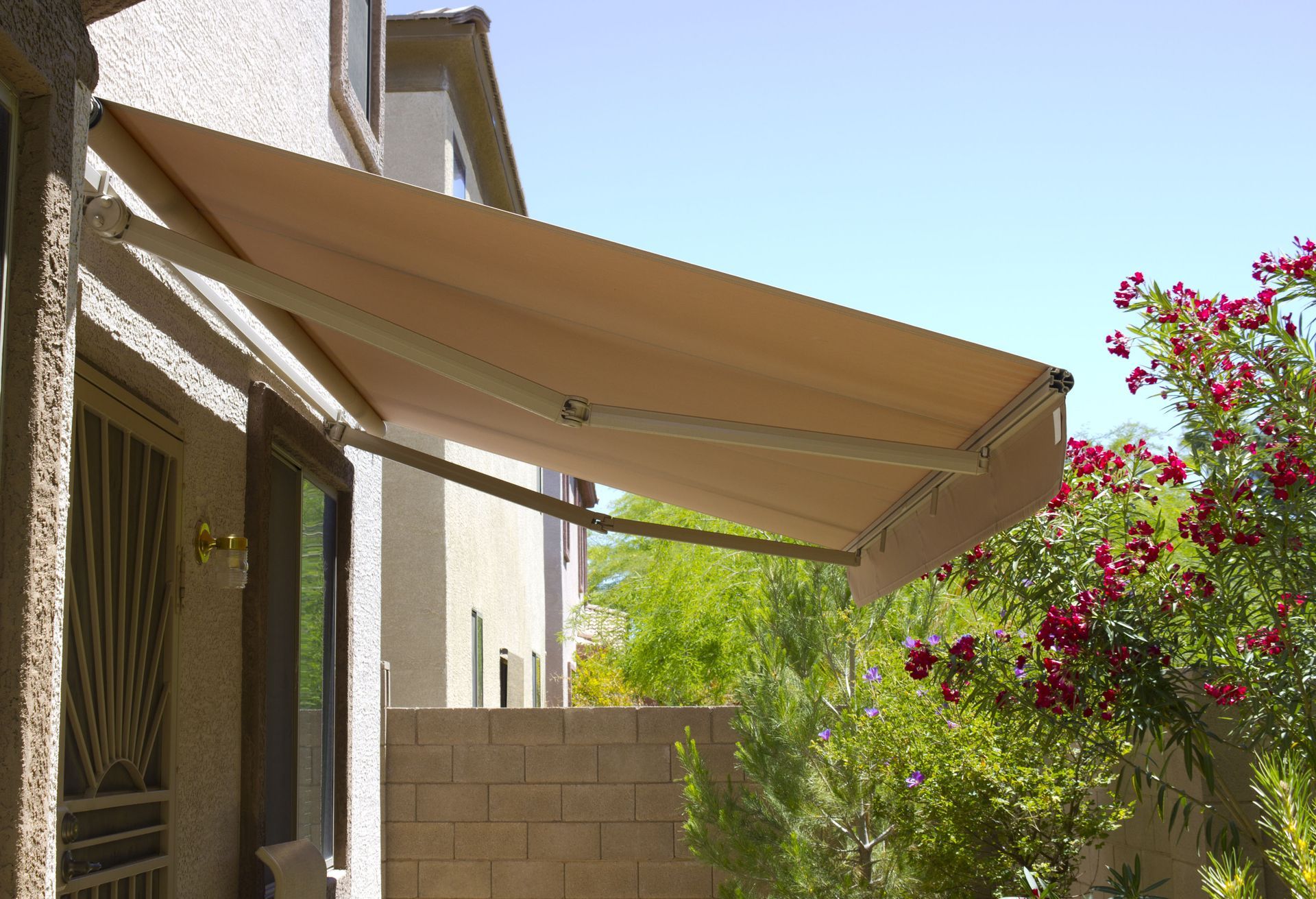
A retractable awning is typically available in manual or motorized styles. Manual models are often more affordable and use a hand crank, making them simple to operate without electrical components. Motorized models cost more, but they offer added convenience, especially for larger patio areas or frequent daily use.
Material Options
Fabric and frame materials affect durability, appearance, and maintenance needs. Acrylic fabrics are often valued for resistance to fading and mildew, while vinyl-coated fabrics can offer stronger water resistance. Aluminum frames are common because they provide sturdy support without excessive weight.
Size and Coverage
Choosing the correct size depends on the width of the space, the amount of shade needed, and the placement of windows, doors, or outdoor furniture. Smaller awnings can provide targeted coverage over a seating area, while larger systems can shade a full patio or deck. Proper measurements are important because an oversized unit may overwhelm the space, while an undersized one may not provide enough protection.
Installation Types
Awning systems may be mounted to a wall, roof, soffit, or another suitable structural surface. The right installation method depends on the home’s exterior materials, roofline, and available support. Professional guidance is often helpful because secure mounting is essential for safe, long-term use.
Additional Features
Modern awning systems may include remote controls, wind sensors, sun sensors, integrated lighting, or smart home compatibility. These features can improve comfort and reduce the risk of damage during changing weather. For homeowners who want convenience, automation can make daily use much simpler.
Cost Considerations
Initial Purchase and Installation Costs
The cost of a retractable awning can vary widely based on size, material, operation type, and added features. Manual systems are usually less expensive than motorized systems, while custom fabrics, larger projections, and smart controls may raise the price. Installation costs should also be considered, especially when structural mounting or electrical work is required.
Maintenance Expenses
Long-term expenses may include cleaning supplies, replacement parts, fabric care, and occasional repairs. Regular maintenance can help prevent small problems from becoming costly repairs. Homeowners should follow the manufacturer’s care instructions to protect the fabric, frame, motor, and moving parts.
Energy Savings
Energy savings depend on local climate, window orientation, home insulation, and how often the awning is used. Homes with strong afternoon sun may notice the greatest comfort improvements. While savings can help offset the purchase over time, the total return will vary from one property to another.
Return on Investment
Beyond possible utility savings, shade systems can improve the usability and appeal of outdoor living areas. Buyers may view a finished patio or deck as a valuable feature, especially in homes designed for entertaining. While it may not return every dollar spent, it can support comfort, appearance, and everyday function.
Installation and Maintenance
Regular Cleaning and Care
Routine care usually includes brushing away dirt, rinsing fabric, checking hardware, and allowing the material to dry before it is closed. Keeping debris off the fabric helps prevent stains and mildew. Moving parts should be inspected periodically so the system continues to extend and retract smoothly.
Troubleshooting Common Issues
Common problems may include fabric tears, jammed arms, motor failure, loose hardware, or uneven movement. Addressing these issues early can help prevent more serious damage. Homeowners should consult the owner’s manual or contact a professional when electrical or structural problems appear.
Seasonal Care Tips
Seasonal care helps protect the awning from harsh weather and extended wear. Before winter storms or high winds, it should be closed securely according to manufacturer recommendations. During warm months, homeowners should check for fading, pests, debris, and signs of fabric stress.
Replacement Parts and Warranty
Warranty coverage can vary significantly by manufacturer, fabric type, motor, and installation provider. Before purchasing, homeowners should review what is covered, how long coverage lasts, and whether labor is included. Access to replacement parts can also extend the useful life of the system.
Environmental Impact
Eco-Friendly Materials and Construction
A retractable awning can support more sustainable outdoor living when it is made with durable materials and responsibly sourced components. Recycled aluminum frames, long-lasting fabrics, and repairable parts can help reduce waste over time. Choosing a quality product may also reduce how often replacement is needed.
Contribution to Energy Efficiency
By limiting direct sun exposure, an awning can reduce reliance on mechanical cooling in certain parts of the home. This may lower energy use during hot weather, depending on placement and climate. For eco-conscious homeowners, shade can be a practical part of a broader energy-efficiency plan.
Durability and Lifecycle Impact
Durability matters because longer-lasting products generally create less waste than short-lived alternatives. Strong frames, quality fabric, and proper maintenance all contribute to a better lifecycle. Homeowners should consider both upfront cost and long-term performance when comparing options.
Manufacturing and Supply Chain Impact
Ultimately, a retractable awning can be a practical upgrade for homeowners who want to get more use out of their outdoor space without committing to a permanent structure. It offers shade when needed, flexibility when the weather changes, and added comfort for everyday activities like dining, relaxing, or hosting guests. By considering the home’s layout, local climate, preferred features, and maintenance needs, homeowners can choose an option that fits both their lifestyle and budget.
For many homeowners, an awning system is worth considering because it can improve comfort, shade, appearance, and outdoor usability. The best results come from choosing the right size, material, features, and installation method for the home. With proper care, this addition can make patios and decks more enjoyable while supporting energy-conscious living. Contact Fiber-Lite Custom Awnings today to learn more.