November 25, 2026
In the contemporary world, the importance of energy efficiency continues to grow as both residential and commercial property owners strive to reduce their carbon footprints and monthly utility expenses. Adding energy-saving architectural features has become a cornerstone of modern building design. Among the most versatile and impactful upgrades available, retractable awnings stand out for offering an ideal blend of thermal control and visual appeal. These adjustable exterior coverings provide multiple advantages for homes and businesses, including indoor temperature regulation, solar heat reduction, and UV protection for interior furnishings. As property owners look for practical ways to optimize energy consumption without sacrificing curb appeal, adjustable shading systems are increasingly recognized as essential elements of sustainable architecture.
Unlike permanent canopies or interior blinds, adjustable exterior coverings stop solar radiation before it ever reaches window glass. They combine durable engineering with everyday convenience, offering manual crank or motorized automation features that respond to shifting weather conditions and user preferences. Whether deployed over a sunny backyard patio or commercial storefront windows, retractable awnings complement building aesthetics while delivering measurable functional performance. Their strategic installation can also boost property value by strengthening a building's eco-friendly credentials. Below are nine key ways adjustable exterior shading improves energy efficiency across varying climates and seasons.
1. Reducing Solar Heat Gain
Solar heat gain is a major challenge in building performance, as direct sunlight streaming through glass panes drives up indoor temperatures during warmer months. Understanding how solar radiation penetrates windows and heats interior surfaces is essential for selecting effective shading solutions. Installing retractable awnings creates an immediate exterior barrier against direct sunlight, intercepting thermal energy before it can warm up living rooms, offices, or retail spaces.
The key advantage of adjustable shading lies in seasonal adaptability. While interior curtains trap heat between the fabric and the glass, exterior canopies reflect and dissipate solar energy outdoors. Property owners can extend their canopies during peak afternoon sun in July and August, then retract them completely during overcast days or colder months. Case studies and energy audits consistently show that exterior shading can reduce solar heat gain significantly, with documented cooling energy savings sometimes surpassing 25% depending on window orientation and climate.
2. Lowering Air Conditioning Costs
Blocking unwanted solar heat directly reduces the mechanical workload placed on central air conditioners and heat pumps. When rooms stay naturally cooler throughout the afternoon, HVAC systems cycle less frequently and run for shorter durations. Over an entire cooling season, deploying retractable awnings translates into substantial reductions in peak electricity demand and lower monthly utility bills.
Beyond immediate utility savings, reducing HVAC runtime minimizes wear and tear on expensive compressors and fans, extending equipment lifespan and lowering maintenance expenses. Modern units are also built to handle real-world weather; standard models reliably withstand winds of 20 to 30 miles per hour, while heavy-duty commercial-grade systems endure gusts up to 40 miles per hour, according to LawnStarter. Automated wind and sun sensors further protect the hardware by retracting the canopy automatically during sudden storms, ensuring long-term durability and reliable energy savings.
3. Enhancing Natural Ventilation
Exterior shading plays a valuable role in promoting passive cooling and natural airflow throughout a building. By creating shaded, cooler microclimates immediately outside windows and sliding glass doors, retractable awnings allow property owners to keep windows open during mild spring, summer, and early autumn weather without inviting harsh glare or heat indoors. Cooler outdoor air drawn from shaded patios helps flush out stagnant indoor air naturally.
Encouraging cross-ventilation improves indoor air quality while reducing reliance on mechanical exhaust fans and air conditioning during transitional seasons. When integrated with smart home weather sensors, motorized canopies adjust automatically based on ambient temperature and sunlight intensity. This responsive coordination maintains comfortable indoor conditions effortlessly while cutting unnecessary electricity consumption.
4. Contributing to Passive Solar Heating
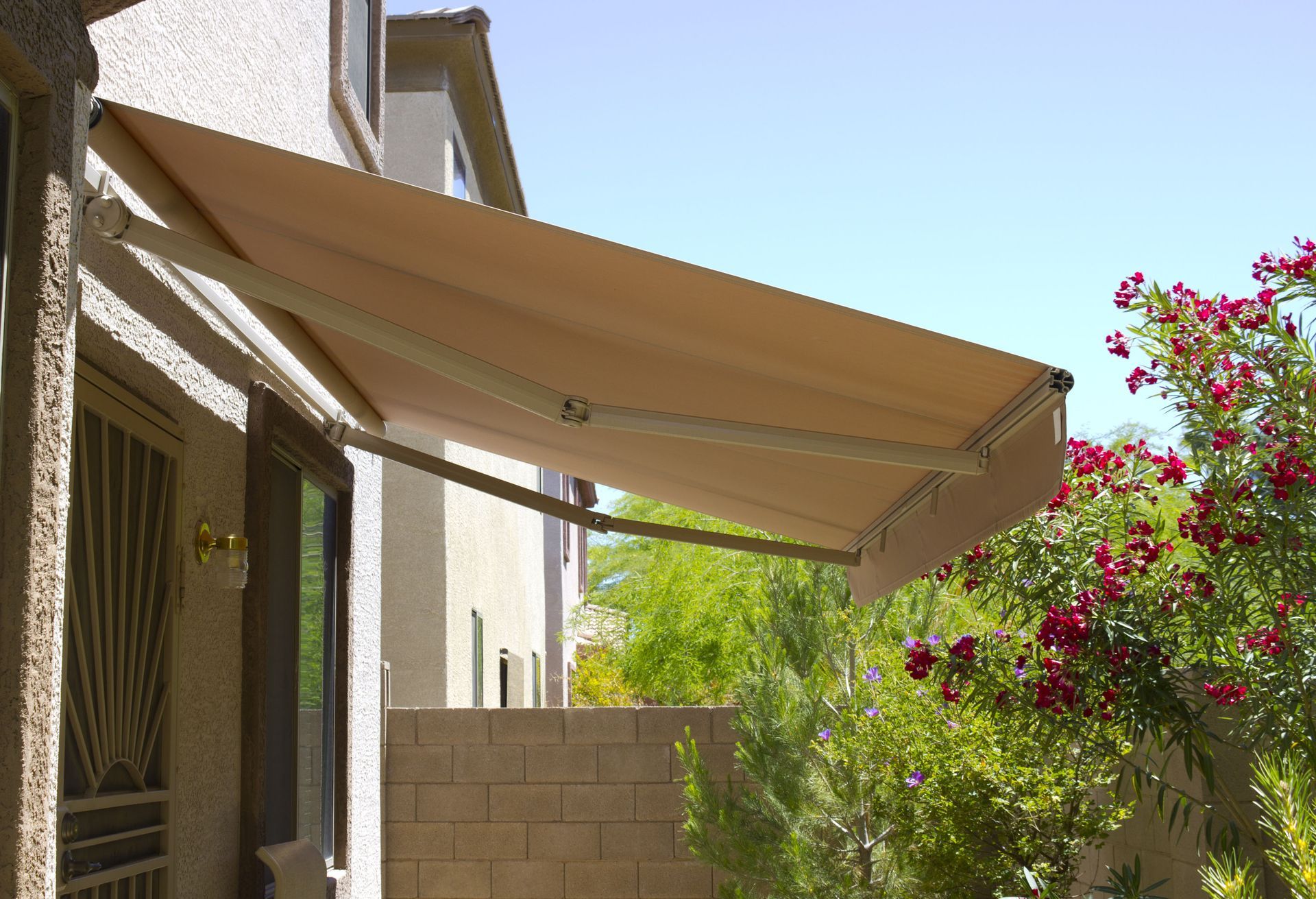
While blocking summer heat is critical, maximizing free warmth during winter is equally important for year-round thermal efficiency. Fixed roof overhangs or permanent metal awnings often block low-angle winter sunlight, forcing furnaces and boilers to work harder during freezing weather. By contrast, retractable awnings roll away completely into a compact protective cassette whenever warmth is desired.
During crisp winter days, retracting the fabric allows low-angle sunlight to pour through south- and west-facing windows, naturally warming floors, walls, and indoor air through passive solar heating. This dual-season flexibility turns adjustable canopies into dynamic thermal regulators—shielding interiors from summer overheating while harnessing free solar energy in winter to trim heating fuel and electricity costs.
5. Protecting Indoor Furnishings
Ultraviolet (UV) radiation entering through unprotected windows gradually fades and degrades hardwood floors, area rugs, upholstered furniture, window treatments, and artwork. High-performance acrylic and woven shade fabrics used in retractable awnings block up to 98% of harmful UV rays, acting as an exterior sunscreen for valuable interior spaces.
Preserving the color, structural integrity, and appearance of interior furnishings delivers meaningful lifecycle sustainability benefits. Extending the lifespan of flooring, furniture, and commercial merchandise reduces the frequency of costly replacements and minimizes manufacturing waste. For homeowners and business operators alike, safeguarding interior assets adds practical financial value alongside direct utility reductions.
6. Selecting Sustainable Materials for Long-Term Durability
The environmental impact and thermal performance of any shading system depend heavily on material engineering. Modern retractable awnings utilize solution-dyed acrylic fabrics and recyclable powder-coated aluminum frames engineered for decades of outdoor exposure. Solution-dyed fibers lock pigments directly into the material before spinning, preventing color fading, resisting mildew, and maintaining high solar reflectivity over many years.
Choosing long-lasting, weather-resistant components ensures that the embodied energy required to manufacture and install the system is offset many times over by years of reduced HVAC consumption. As architectural trends increasingly prioritize low-impact, high-efficiency upgrades, durable exterior shading stands out as a practical, low-maintenance investment that supports both environmental stewardship and everyday comfort.
7. Optimizing Daylight Without Harsh Glare
Managing indoor lighting efficiently requires balancing natural daylight against uncomfortable screen glare and excess heat. Closing interior blinds or blackout shades to stop afternoon glare forces occupants to turn on overhead artificial lighting, which consumes electricity and adds waste heat inside the building. Deploying retractable awnings solves both issues simultaneously by diffusing harsh direct beams while allowing soft, ambient daylight to illuminate interior rooms.
By preserving natural indoor brightness without thermal penalty, exterior canopies cut daytime electrical lighting loads in both home offices and commercial workspaces. Light-colored or thoughtfully woven shade fabrics filter sunlight evenly, creating comfortable, productive environments that reduce eye strain and lower overall building energy demand.
8. Reducing Urban Heat Island Effects Around Structures
Dark concrete patios, brick walkways, and exterior walls absorb substantial solar radiation throughout the day, radiating stored heat back toward windows and outdoor air conditioning condensers well into the evening. Extending retractable awnings over patios, decks, and south-facing building perimeters shades surrounding hardscapes, keeping outdoor surface temperatures noticeably cooler.
Cooler microclimates around a building's exterior improve the operating efficiency of nearby HVAC condenser units, which consume more electricity when surrounded by superheated air. Shading exterior surfaces also reduces localized heat buildup in dense residential and commercial neighborhoods, contributing to cooler, more energy-efficient surrounding environments.
Retractable awnings offer a proven, adaptable strategy for improving building energy efficiency across every season. By intercepting solar heat gain before it reaches windows, lowering air conditioning loads, encouraging natural ventilation, enabling winter passive solar heating, shielding interior furnishings, optimizing natural daylight, automating solar tracking, and cooling surrounding hardscapes, these systems deliver comprehensive climate control. Combining durable, weather-tested materials with convenient manual or motorized operation allows homeowners and businesses to lower utility bills, shrink their environmental footprint, and enjoy more comfortable indoor and outdoor living spaces year after year. Contact Fiber-Lite Custom Awnings today for more.